The Importance of Roof Maintenance and Gutter Care to Prevent Ice Damage
- Lauren Ayres
- Jan 31
- 3 min read
Ice and winter weather can cause serious damage to your home’s roof and gutters if they are not properly maintained. When snow and ice build up, they create pressure and moisture problems that can lead to costly repairs. Understanding how ice forms and affects your roof and gutters, along with practical maintenance tips, can save you money and protect your home’s structure.
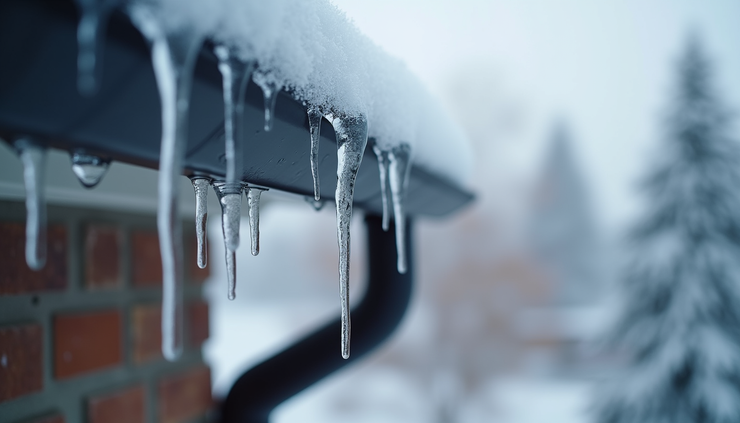
How Ice Forms and Damages Roofs and Gutters
Ice damage often starts with ice dams, which form when heat escapes from your home and melts snow on the roof. The melted water runs down to the colder eaves and refreezes, creating a dam of ice. This dam traps water behind it, which can seep under shingles and cause leaks inside the house.
Gutters also suffer from ice buildup. When gutters freeze, they become heavy and can pull away from the roof edge. The trapped ice blocks water flow, causing overflow that damages siding, foundation, and landscaping.
Key Statistics on Ice Damage
According to the Insurance Information Institute, ice dams cause over $1 billion in property damage annually in the U.S.
Homeowners report that ice dams can increase roof repair costs by 20% to 30% compared to other winter damage.
Proper gutter maintenance can reduce ice dam formation by up to 50%, according to roofing experts.
Signs Your Roof and Gutters Need Attention
Knowing when to act can prevent small problems from turning into major repairs. Look for these warning signs:
Visible ice dams or icicles along the roof edge
Sagging or pulling gutters indicating ice weight
Water stains or leaks inside the attic or ceiling
Missing or damaged shingles after winter storms
Clogged gutters filled with leaves and debris
Ignoring these signs increases the risk of structural damage and mold growth.
Practical Roof Maintenance Tips for Winter
Maintaining your roof before and during winter reduces ice damage risk. Here are some effective steps:
Inspect and repair shingles: Replace damaged or missing shingles to prevent water infiltration.
Seal roof leaks: Check flashing around chimneys and vents for cracks or gaps.
Improve attic insulation and ventilation: Proper insulation keeps heat inside the home, reducing snow melt on the roof.
Remove snow buildup: Use a roof rake to clear heavy snow after storms, but avoid climbing on the roof yourself.
Trim overhanging branches: Prevent branches from breaking under snow weight and damaging the roof.
How to Keep Gutters Clean and Functional
Clean gutters allow water to flow freely and reduce ice dam formation. Follow these gutter care tips:
Clear debris regularly: Remove leaves, twigs, and dirt at least twice a year, ideally in fall and spring.
Install gutter guards: These screens prevent debris from entering gutters while allowing water flow.
Check downspouts: Ensure they are clear and direct water away from the foundation.
Repair gutter damage: Fix loose brackets, leaks, or holes promptly.
Consider heating cables: In cold climates, heat cables can melt ice in gutters and downspouts.
Real-Life Example of Ice Damage Prevention
A homeowner in Minnesota noticed icicles forming along their roof edge every winter. After a professional inspection, they improved attic insulation and installed gutter guards. The following winter, ice dams did not form, and the gutters remained intact. This simple maintenance saved them thousands in potential repairs.
When to Call a Professional
Some roof and gutter issues require expert help:
Extensive shingle damage or roof leaks
Large or persistent ice dams
Gutter replacement or complex repairs
Unsafe roof snow removal
Hiring a licensed roofing contractor ensures the job is done safely and effectively.


Comments